On Webflow, Right Hemisphere, and How We Work

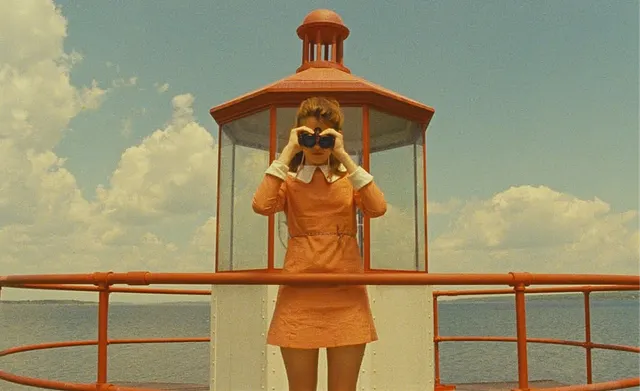
While watching films, I have often noticed how much room the director gives a scene to breathe. Some moments are allowed to sit with you, and others are cut short to keep the story moving. Over time, this made me more aware of pacing in web design. In website design, we often move quickly from idea to execution. When that pace becomes constant, the space to experiment tends to shrink.
That awareness of pacing is something I now carry into design work. Most projects move fast. What gets built is often what fits the timeline.
Around 2021, Webflow entered our workflow at Right Hemisphere. We started playing around with it, without a fixed plan of how it would fit into our process. What stood out early on was the difference it made to time. The usual back and forth between design and development felt lighter. Ideas could be tried out sooner, whether it was a landing page or a larger part of a website, and the cost of exploring something new was lower. That shift slowly changed what felt possible within the same timelines.
By August 2025, our work with Webflow at Right Hemisphere had become more intentional.
Becoming a certified Webflow partner marked how much our way of working had changed since those early days of playing around with the tool. It came from using Webflow on real projects and seeing what it changed for us.
Looking ahead, there is still a lot to figure out. There is still room to question our own habits. The difference now is that time feels a little less restrictive than it once did. That leaves more space to try ideas and spend more time with them. For us, that space is where the more interesting work tends to begin.


.jpg)